Tag: self-compassion

  • Shadow Work Journaling Prompts: A Gentle Way to Meet the Hidden Parts of Yourself

    Shadow Work Journaling Prompts: A Gentle Way to Meet the Hidden Parts of Yourself

    There are parts of ourselves we learned to hide: the anger that was not welcome, the sadness that felt like too much, the needs we decided were selfish. They did not disappear. They went quiet, and they still shape how we react, who we are drawn to and what we judge in others. Shadow work is the gentle practice of turning toward those parts with curiosity instead of shame.

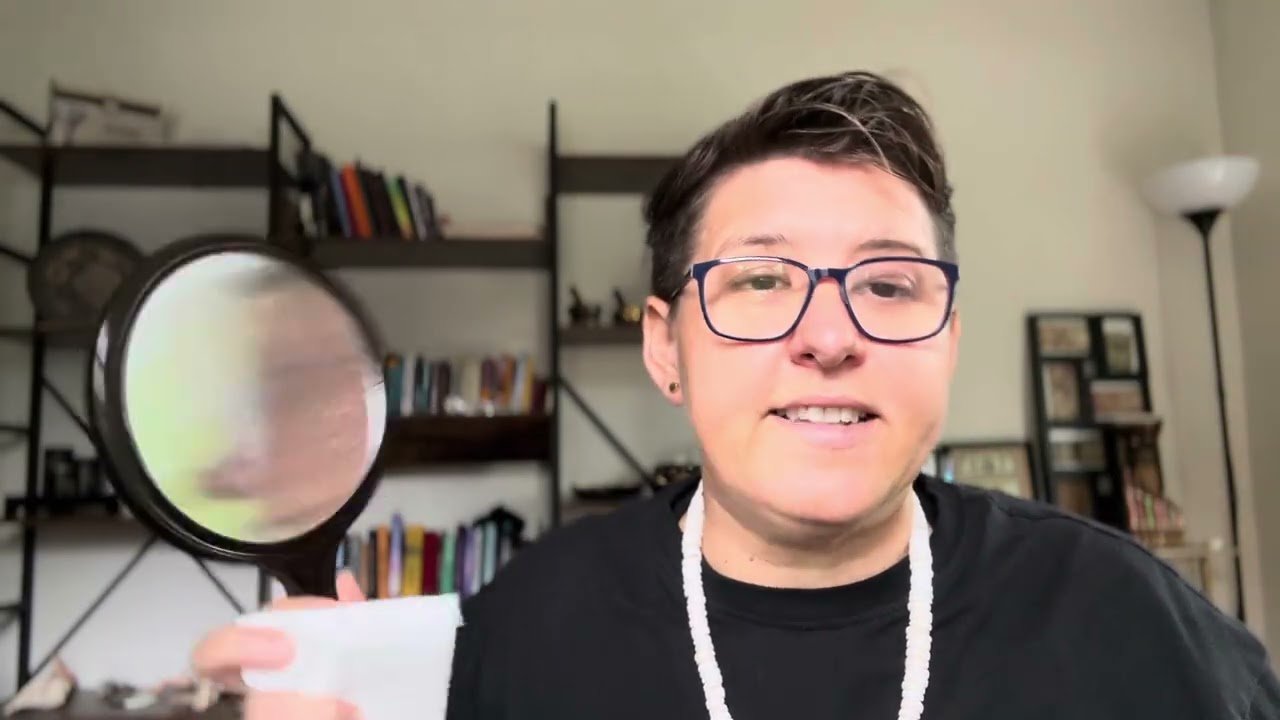
    Selda Turker explaining how other people mirror the hidden parts of ourselves in shadow work

    In this video, I talk about how the people around us can act as mirrors, showing us what we have not yet seen in ourselves.

    What Is Shadow Work?

    The idea of the “shadow” comes from psychologist Carl Jung, who used it to describe the parts of our personality we push out of awareness. Shadow work means noticing those parts, understanding why we hid them, and slowly making room for them again. It is not about finding something “bad” in you. Very often, the shadow holds gifts as well: creativity, confidence, playfulness or a healthy “no.”

    Signs Your Shadow May Be Speaking

    • You have a strong reaction to someone that feels bigger than the situation.
    • You keep finding yourself in the same kind of relationship or conflict.
    • Your inner critic is harsh, especially about one particular trait.
    • You feel envy toward someone, and it quietly points to something you want for yourself.
    • Your body tightens around certain topics, people or memories.

    How to Begin Shadow Work Journaling

    1. Choose a calm moment. Shadow work is best done when you feel reasonably safe and grounded, not in the middle of a crisis.
    2. Start with one prompt. You do not need to answer them all. One honest page is enough.
    3. Write without editing. Let the words come out as they are. No one else needs to read them.
    4. Notice your body. Pay attention to where you feel tension or warmth as you write.
    5. Close with kindness. End each session by writing one compassionate sentence to yourself.

    Shadow Work Journaling Prompts

    Prompts about your triggers

    • Who irritates me the most right now, and what exactly do they do?
    • What quality in that person do I judge most strongly?
    • Is there a small part of that quality I recognize in myself?
    • When did I first learn that this quality was not acceptable?

    Prompts about repeating patterns

    • What situation keeps showing up in my life in different forms?
    • What do I usually feel at the start of this pattern, and what do I feel at the end?
    • What might this pattern be trying to protect me from?
    • What would a different ending look like?

    Prompts about your inner critic

    • What does my inner critic say to me most often?
    • Whose voice does it sound like?
    • What is my inner critic afraid would happen if it stopped?
    • What would I say to a friend who believed these words about themselves?

    Prompts about your hidden gifts

    • Who do I secretly admire, and why?
    • What did I love doing as a child that I stopped doing?
    • What part of me did I tone down to be accepted?
    • How would my life change if I let that part be seen again?

    After You Write: Listen to Your Body

    Shadow work is not only mental. Notice whether your jaw clenched, your chest tightened or your stomach knotted while you wrote. These signals can show you which prompts touched something important. Our Body Symbolism guide can help you reflect on what each area may be holding.

    If you would like a guided space for this, the Empower Soul Path app offers Soul Mirror, a gentle self-reflection that helps you look at the patterns your writing uncovered, and Mind Transformer, which guides you through reframing the beliefs behind them.

    Explore Soul Mirror →

    A gentle note: shadow work can bring up strong emotions and painful memories. Go slowly, take breaks, and stop if you feel overwhelmed. If difficult feelings stay with you, please reach out to a licensed therapist or counselor. This is a reflective practice, not a substitute for professional care.

    Continue Your Journey

    Shadow work and inner child work go hand in hand. You might like How to Write a Letter to Your Inner Child, or explore our full Inner Child Work guide.

  • How to Write a Letter to Your Inner Child: A Gentle Journaling Practice (+ Prompts)

    How to Write a Letter to Your Inner Child: A Gentle Journaling Practice (+ Prompts)

    Some of the kindest words we ever need to hear are the ones no one said to us when we were young. Writing a letter to your inner child is a simple journaling practice that lets you finally say them, to the younger version of yourself who is still, in many ways, living inside you.

    Selda Turker explaining how to write a letter to your inner child as a journaling practice

    In this short video, I share how this practice works and why it can feel so powerful.

    What Is an Inner Child Letter?

    An inner child letter is a letter you write, as the adult you are today, to yourself at a younger age. You might choose a specific age, such as six or ten, or simply write to “little me.” The purpose is to offer the love, reassurance, attention and guidance that the younger you needed but may not have received.

    Many people also write a second kind of letter: one to a parent, caregiver or family member, expressing what they needed to say and never could. These letters are usually not sent. They are for you.

    Why This Practice Can Feel So Powerful

    • It gives a voice to feelings that may have been unspoken for years.
    • It shifts you from judging your younger self to understanding them.
    • It lets you become the caring presence your younger self was looking for.
    • It can reveal patterns, such as searching for love or approval in the wrong places, that began long ago.

    How to Write a Letter to Your Inner Child

    1. Create a quiet moment. Find a private space, take a few slow breaths and, if it helps, look at a photo of yourself as a child.
    2. Choose an age. Notice which age comes to mind first. That younger self may have something to tell you.
    3. Begin with warmth. Start with their name or a loving greeting, such as “Dear little one.”
    4. Acknowledge what they went through. Name what was hard, without minimizing it. “I know you felt alone. I know you tried so hard.”
    5. Say what they needed to hear. Offer the words that were missing: love, safety, permission, pride.
    6. Offer guidance and hope. Share what you know now that they could not know then.
    7. Close with a promise. Let them know how you will care for them from now on.

    Words Your Inner Child May Need to Hear

    You are loved. You are enough. You are free to be you.

    • It was never your fault.
    • Your feelings make sense, and they are welcome here.
    • You did the best you could with what you had.
    • You do not have to earn love.
    • I am here now, and I am not going anywhere.
    • I am so proud of you.

    Inner Child Journaling Prompts

    • What did I need most at this age that I did not receive?
    • What do I wish someone had said to me back then?
    • What advice would I give my younger self today?
    • What made my younger self feel happy and free?
    • Where do I still see this younger part of me showing up in my life now?
    • What is one way I can give my inner child love and attention this week?

    You can also share your answer to the question from the video in the YouTube comments: What would you say to your younger self?

    After You Write: Notice What Your Letter Brings Up

    A letter to your inner child often stirs something beyond the page: a tight throat, a heavy chest, a memory you had not thought about in years. Those reactions are part of the practice, too.

    If you would like a quiet place to keep exploring them, the Empower Soul Path app offers Soul Mirror, a guided self-reflection that helps you look gently at the feelings and patterns your letter uncovered. Its Body Reflection tool lets you note where you felt the emotion in your body and explore what that area may symbolize.

    Explore Soul Mirror →

    A gentle note: inner child work can bring up strong feelings and memories. Go at your own pace, take breaks when you need to, and if difficult emotions stay with you, please reach out to a licensed therapist or counselor. This is a reflective practice, not a substitute for professional care.

    Continue Your Inner Child Journey

    Writing is one doorway. You might also like the guided inner child healing meditation, where you meet your younger self in a gentle visualization, and our inner child affirmations to repeat each day.

    If your letter opened something you want to keep tending, the Empower Soul Path app includes guided meditations for this part of the journey, such as Mother & Father Wound Healing and Rewrite Your Script, alongside daily two-minute check-ins for your emotions and body signals. It is a reflective companion, not a replacement for professional support.

    Browse the meditation library →

    Keep exploring: read our full Inner Child Work guide for more practices, or try the Empower Soul Path app.